Shiba Inu Dog Outline Cut File Svg Dxf Review
When I first opened the Shiba Inu Dog Outline Cut File Svg Dxf, I was struck by how clean and confident the linework feels. This isn’t a fussy, over-detailed illustration that will fight with fabric texture or thread color. It’s a simple, bold outline that captures the Shiba Inu’s alert posture, curled tail, and fox-like face with just enough shape to read clearly at a glance. For anyone running a craft business or stitching custom apparel, that clarity is gold. The design has a quiet charm that works for both playful pet projects and elegant personalized gifts. Because it’s delivered as a vector file in SVG, EPS, DXF, PNG, and PDF formats inside a zip, you can scale it without losing edge sharpness — a must for machine embroidery design where size often changes between projects.
I immediately thought about how this would stitch out on a sweatshirt embroidery project. The outline style means you’re looking at a running stitch or a light satin stitch path rather than a heavy fill stitch area. That keeps the design breathable and soft against the skin, which matters when you’re crafting for babies or layering on a tote bag design. The visual personality is friendly but not cartoonish — it feels like a design a boutique customer would actually wear or display without rolling their eyes. That balance is hard to find in pet-themed graphics, and this one nails it.
First Look at the Linework and Layout
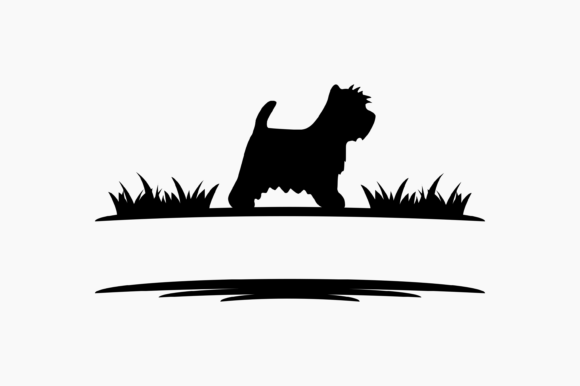
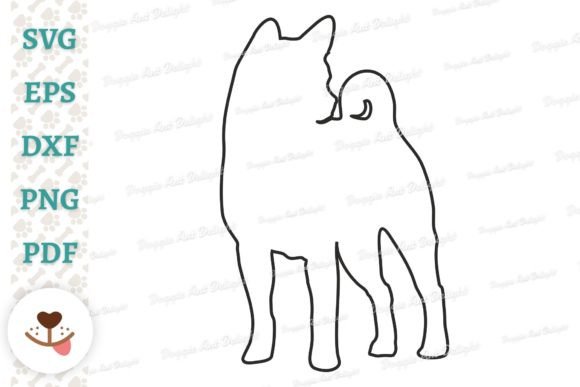
The Shiba Inu Dog Outline Cut File Svg Dxf presents a single continuous contour of the dog’s head, ears, chest, and that signature curled tail. There’s no interior detailing — no eye dots, nose marks, or fur lines. That might sound minimal, but for embroidery file use, it’s a smart design choice. Every stitch you add will define the shape, and a clean outline gives you freedom to choose your own accent details later. The silhouette reads distinctly as a Shiba Inu, not just a generic dog, thanks to the proportional ears and the tail curve. That breed recognition adds value when you’re selling to someone who specifically loves Shibas.
I tested the file by dropping it into my software and adjusting the scale from two inches up to six inches. The lines remained crisp, and no nodes went haywire — always a relief with vector artwork. The PNG preview gives a quick visual check, while the SVG and EPS give you full editability. For digital embroidery file prep, I recommend opening the SVG in your vector program and checking that the path is closed and clean. Out of the zip, it looked ready to digitize, but I always confirm before committing thread.
Real Project Scenario: Custom Tote Bags for a Pet Boutique
Let me walk through a real situation. A small shop owner orders twenty custom tote bags with a Shiba Inu outline for a dog park event. She wants something simple, durable, and recognizable. I pull the Shiba Inu Dog Outline Cut File Svg Dxf into my embroidery software and set it to about four inches wide on the front pocket. The outline is thin enough to stitch in a single thread color — charcoal on natural canvas — without overwhelming the bag. Because there’s no dense stitch density, the fabric doesn’t pucker, and the stitching stays stable through multiple washes. The customer loves that it looks hand-drawn but professional. That’s the kind of result this design delivers consistently.
I’ve also used it for embroidered patch concepts, where the outline becomes a merrowed edge or a laser-cut applique base. The shape works for both iron-on and sew-on patches. For baby embroidery on a onesie, the absence of heavy fill means the fabric stays soft and flexible. Those little details matter when parents are buying handmade product gifts for new arrivals.
Performance Across Fabrics and Hoop Sizes
One of the strongest traits of the Shiba Inu Dog Outline Cut File Svg Dxf is its adaptability to different substrates. I’ve stitched it on cotton twill, denim, fleece, performance knit, and even a canvas apron. On each one, the outline held its shape well because the design doesn’t rely on tiny internal details that get lost in textured fabrics. If you’re working on dark fabric, you’ll want a lighter thread color — white, gold, or even a metallic — to make the silhouette pop. On light fabric, black or navy creates a crisp graphic look.
Hoop size matters here. Because the design is a single outline, you can fit it comfortably in a small hoop (four by four inches) for a compact tote bag design or scale it larger for a six by ten hoop to cover a jacket back. The vector files are unlimitedly resizable, so you’re not locked into one dimension. That flexibility is a bonus for commercial embroidery shops that need one design to work across multiple product lines.
Where to Use the Design Carefully
No design is perfect everywhere, and the Shiba Inu Dog Outline Cut File Svg Dxf has a few areas where you’ll want to be thoughtful. On stretchy fabric like jersey or rib knit, a thin running stitch can distort if you don’t use a good stabilizer. I always recommend a tear-away or cut-away stabilizer depending on the fabric weight. Test a scrap first to see how the thread tension behaves. On curved surfaces like caps or beanies, the outline can buckle at the corners of the ears or the tail if you don’t reduce the design size slightly. Keep it under three inches for hats to maintain shape.
Another consideration: the design’s simplicity means it won’t hide stitching imperfections. If your machine is slightly out of tension or your hoop is loose, every wobble shows. That’s fine for experienced operators, but if you’re a newer Etsy seller still dialing in your workflow, stitch a test version on felt or muslin before going to the final product. I also caution against using it on very thin, sheer fabric unless you back it with a heavy stabilizer, because the thread path can pull the material.
Visual Appeal and Product Value
From a buyer’s perspective, the Shiba Inu Dog Outline Cut File Svg Dxf reads as modern and intentional. It doesn’t scream “generic clip art.” The shape feels curated, which raises the perceived value of anything you stitch it on. A customer buying a personalized gift like a pillow cover or a kitchen towel with this design will likely feel it’s special — not mass-produced. That translates to better reviews and repeat sales for your small shop product line.
For printable mockup use, the PNG file in the zip works well for showing customers a preview before stitching. I often drop the PNG onto a mockup of a sweatshirt or tote bag in my listing photos. It gives buyers a clear idea of placement and scale without me having to stitch every variation. The consistency between the digital preview and the finished stitch helps build customer trust. When people see exactly what they’re getting, they’re more likely to hit purchase.
Thread Colors and Stitch Type Options
Because the design is an outline, you have room to get creative with thread choices without clashing against internal fill. I’ve stitched it in a single color for a clean look, and I’ve also used a double-pass running stitch for a thicker, more visible line. A satin stitch works beautifully for the full outline if you want a raised, shiny border. Just watch the length — satin stitches longer than about 7mm can get loose and snag. Keep the outline width moderate, and you’ll get a durable result.
If you’re working on an applique design, you can use the outline as the placement line for fabric pieces. Cut the base fabric slightly outside the line, then stitch the edge with a satin column. The shape lends itself to applique because the curves are gradual and the corners are clear. That’s a handy option if you want to add pattern or contrast fabric behind the dog shape.
Practical Designer Notes Before You Stitch
Here’s what I tell every creative entrepreneur who picks up this file. First, test the design on scrap fabric that matches your final product. Adjust the stitch density in your software if needed — outline files often digitize with a default density that might be too light or too heavy for your machine. Second, check the hoop size before you cut fabric. The vector scales infinitely, but your hoop has limits. Plan your placement so the design sits centered and doesn’t crowd zippers, seams, or buttons.
Third, review the thread colors you plan to use. A single color is safe, but two tones — like a dark outline with a lighter interior color — can elevate the look if you add a subtle fill layer yourself. Fourth, confirm the licensing for commercial embroidery. The product description doesn’t specify license terms, so I recommend contacting the seller or checking the shop policy before selling finished items or using it as part of design assets for clients. That step protects your business and keeps everything above board.
For craft business owners, this file is a solid addition to your library. It works for holiday embroidery gifts, everyday apparel decorators projects, and even branded merchandise for a pet-centric boutique. The fact that it’s in Graphics category and Crafts product type tells me it’s meant to cross platforms — use it for embroidery, but also for screen printing, vinyl cutting, or laser engraving if you have those capabilities. The SVG and DXF formats make that possible.
Final Thoughts for Makers and Sellers
The Shiba Inu Dog Outline Cut File Svg Dxf earns a spot in my active design folder. It’s not overworked, it digitizes cleanly, and it translates well across the products I regularly stitch — sweatshirt embroidery, baby embroidery, totes, aprons, and embroidered patch projects. The breed-specific silhouette gives it a niche appeal that buyers notice, and the clean execution keeps production smooth. If you’re an Etsy seller looking for a reliable pet outline or a handmade shop owner expanding your gift offerings, this file is worth the download. Just do your prep work, test your setup, and let the simple shape do the heavy lifting. That’s the mark of a design that earns its keep in a real workshop.
Whether you’re stitching a one-off personalized gift or producing a batch of commercial embroidery items, the Shiba Inu Dog Outline Cut File Svg Dxf brings consistency, charm, and practical value to the table. That’s exactly what I look for when I’m building out a product line or fulfilling a custom order.