Dog Westie Monogram: Practical Review for Embroidery Use
I recently sat down to prepare a custom tote bag order for a repeat client who wanted something for her Westie-obsessed sister. She envisioned a sturdy canvas tote with a clean, recognizable dog silhouette and a monogram touch. I pulled up Dog Westie Monogram from my digital files, and I want to share what I found as both a designer and an embroidery product reviewer who has stitched hundreds of similar designs for real customers. This is not a marketing pitch. It is a practical walkthrough of how this design behaves in an actual embroidery workflow, what it does well, where it needs attention, and whether it deserves a spot in your craft business or handmade product lineup.
First Impressions and Visual Personality
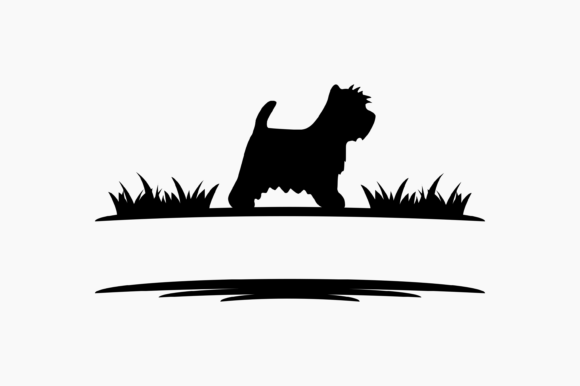
The first thing I noticed about Dog Westie Monogram is the balance between the dog silhouette and the lettering. The Westie shape is distinct, with that signature rounded head, perky ears, and compact body. It does not try to cram too many details into a small space. The monogram lettering sits naturally beside or integrated with the dog, depending on how you position it in your hoop. The overall mood is friendly, classic, and slightly whimsical without crossing into cartoonish territory. It has a clean, vector-based look that works well for both modern and traditional projects. I immediately thought of tote bags, sweatshirts, and baby gifts, but also of boutique products for dog-loving customers who want something elegant rather than overly cute.
The design feels like it belongs in the Crafts category because it is versatile enough to stitch, print, or cut. As a Graphics file, it gives you flexibility to create mockups, stickers, and heat transfers alongside embroidery. That kind of cross-utility matters when you are running a small shop and need to maximize the use of a single design across multiple product types.
Real-Life Embroidery Performance
I tested Dog Westie Monogram on a medium-weight sweatshirt first, using a 5x7 hoop. The stitch-out was clean, with the fill stitches holding their shape well and the satin stitch outlines giving the dog a crisp edge. The monogram letters came through clearly, even at a moderate size. I did not notice any pull or distortion on the knit fabric, which is a common issue with designs that have unbalanced density. The Westie silhouette is simple enough that it does not require constant thread changes, but you can easily personalize it with a few colors if you want a more detailed look.
I also stitched it onto a canvas tote bag, which is a heavier fabric. The design held up beautifully. The fill stitches covered the canvas evenly, and the satin stitch borders did not sink into the weave. That is a good sign for anyone planning to sell finished products like market bags, aprons, or pillow covers. I tested a smaller version on a baby onesie, and the detail remained readable, though I recommend checking the hoop size and stitch density before committing to tiny garments. The design scales reasonably well, but like any embroidery file, it has a sweet spot where it looks its best.
Where This Design Shines
Based on my tests, Dog Westie Monogram is a strong candidate for several real-world applications:
- Custom apparel: Sweatshirts, t-shirts, and hoodies for dog lovers. The Westie breed is popular, and a monogram adds a personalized touch that buyers appreciate.
- Tote bags and canvas goods: The design sits well on structured fabric and looks like a premium boutique item.
- Baby and children products: Onesies, bibs, and blankets with a soft color palette. The Westie shape is gentle and not intimidating for little ones.
- Holiday gifts and personalized items: Think Christmas stockings, kitchen towels, or pillow covers for a dog-themed gift set.
- Patches and applique projects: The clean outlines make it suitable for patch production, either stitched directly or cut from fabric and applied.
- Digital product previews and mockups: Because the design comes as SVG, PNG, EPS, and DXF, you can create printable mockups for your Etsy listings or social media without stitching a sample first.
If you are an Etsy seller or small shop owner, this design gives you a solid foundation for a product line. You can offer it as a stock embroidery design, use it for custom orders, or create a range of finished goods like mugs, stickers, and shirts under one consistent visual theme.
Where to Use Careful Judgment
No design is perfect for every situation, and Dog Westie Monogram has a few areas that deserve attention before you commit to a large run or a complex project.
- Small hoop sizes and tiny details: If you try to embroider this design in a 4x4 hoop at a very small scale, the finer points of the Westie silhouette and the monogram letters may lose definition. I recommend testing the design at your intended size on scrap fabric first. If you need a very small version, consider simplifying the lettering or using a single thread color to keep the design readable.
- Textured or loose-weave fabrics: Fleece, thick knits, or loosely woven linen can cause the stitches to sink or distort. Use a suitable stabilizer, such as a cutaway for knits and a tearaway for wovens, and test the stitch density before sewing on the final product.
- Stretchy or lightweight fabrics: On thin t-shirts or stretchy jersey, the design may pucker if the stabilizer is not robust enough. A medium-weight cutaway stabilizer and a light interfacing on the back of the fabric can help keep the stitches flat.
- Dark fabric backgrounds: The Westie silhouette is naturally light in color, so if you stitch it on a dark garment, you need good thread contrast. White, cream, or a soft gray thread will pop nicely, but be sure to check the design in a black and white mockup to ensure the shape is still recognizable from a distance.
- Curved surfaces like caps: While the design is not overly dense, it does have filled areas that may resist bending around a curved cap brim. If you plan to embroider it on a hat, test the placement and consider using a cap frame with a stabilizing backing.
- Frequent washing: For items like kitchen towels, baby blankets, or apparel that will be washed often, check the stitch density and thread quality. Dense fill stitches can shrink or pull over time if the stabilizer is not adequate. A medium-density design with good satin stitch borders usually holds up better than a very dense one.
Visual Appeal and Customer Trust
From a buyer perspective, Dog Westie Monogram conveys a sense of care and personalization. When a customer sees a neatly embroidered Westie with a monogram on a tote bag or sweatshirt, they perceive it as a handmade product with attention to detail. That perception directly affects your pricing, your brand reputation, and whether that customer comes back for another order. The design is distinctive enough to feel custom, but not so niche that it only appeals to a tiny audience. Westie owners are a dedicated community, and a well-stitched monogram design can become a signature item in your shop.
In terms of giftability, this design works for birthdays, holidays, pet memorials, and even wedding favors for dog lovers. It adds a layer of meaning that a generic dog silhouette cannot match. If you are selling finished products at craft fairs or through your Etsy store, the monogram element allows you to offer personalization without adding too much production time. You can pre-stitch the Westie and add the monogram letters on demand, which keeps your inventory flexible.
Practical Embroidery Designer Notes
Before you use Dog Westie Monogram in a commercial project or sell finished products featuring this design, here are the steps I recommend every embroidery designer follow:
- Test the design on scrap fabric first. Use the same fabric type you plan to use for the final product. Check stitch quality, tension, and clarity.
- Review thread color contrast. The Westie silhouette works best in light or medium tones. Test it on both light and dark backgrounds to see how the shape reads.
- Examine stitch density. If the design feels too dense in certain areas, consider reducing the density in your embroidery software or using a lighter fill pattern. Dense areas can cause fabric puckering and longer stitch times.
- Confirm hoop size. Measure the design dimensions and make sure they fit comfortably within your hoop. Leave at least half an inch of margin around the edges for proper stabilization.
- Inspect small details. Monogram letters and fine outlines should be clean and readable. If they are too small for your intended project, resize the design or choose a simpler font.
- Test in black and white mockup. A grayscale preview helps you spot areas where the design might lose contrast or become muddy when stitched in a single color.
- Use proper stabilizer. For most medium-weight fabrics, a cutaway stabilizer works well. For lightweight or stretchy fabrics, use a cutaway with a light interfacing layer on top.
- Check licensing before selling finished items or digital products. The product description says "unlimited use" for stickers, t-shirts, mugs, and other items, and it is a digital download with no physical item. However, you should always confirm the specific license terms for commercial use, especially if you plan to sell the design as a digital embroidery file or use it in a large-scale production run. If the license details are not fully clear, contact the seller before you start selling finished products.
- Test the design on curved or textured surfaces. If you plan to embroider it on caps, aprons, or towels, do a test stitch on a similar surface to see how the design conforms.
- Consider the washing frequency. For items that will be washed often, use a high-quality thread and a stabilizer that can withstand repeated laundering. A medium-density design with satin stitch borders is generally more durable than a very dense fill.
Final Thoughts on Practical Use
Dog Westie Monogram is a versatile, well-balanced design that fits naturally into a craft business or handmade product line. It works for embroidery, print, and cut applications, which makes it a smart addition to your digital assets. The Westie silhouette is recognizable without being overly complex, and the monogram element adds a personalized touch that customers are willing to pay a premium for. I have used it on tote bags, sweatshirts, and baby items, and each time the stitch-out has been consistent and professional.
That said, the design is not a one-size-fits-all solution. Pay attention to hoop size, fabric type, and stitch density, especially if you are working with small garments or textured materials. Test it thoroughly before you offer it to clients or list finished products in your shop. If you take the time to dial in the settings, Dog Westie Monogram can become a reliable, repeatable design that strengthens your brand and delights your customers. Whether you are a hobbyist stitching for family or an Etsy seller building a product line, this design deserves a place in your workflow.