Dog Wall Decor Laser Cut SVG Design 13: A Designer's Review
When I first opened the Dog Wall Decor Laser Cut SVG Design 13 files, I was preparing samples for a local pet boutique that wanted custom embroidered tote bags for their holiday launch. They needed something that felt warm, personal, and professional—not generic. As someone who works with machine embroidery designs daily, I have a habit of mentally converting every vector file I see into stitch patterns before I even load it into my software. This design caught my attention immediately because it had a clean, balanced silhouette that suggested it would translate well into thread. Let me walk through how this embroidery file actually performs in real project work, where it fits best, and what you should check before stitching it into your next finished product.
First Look: The Mood and Shape of This Design
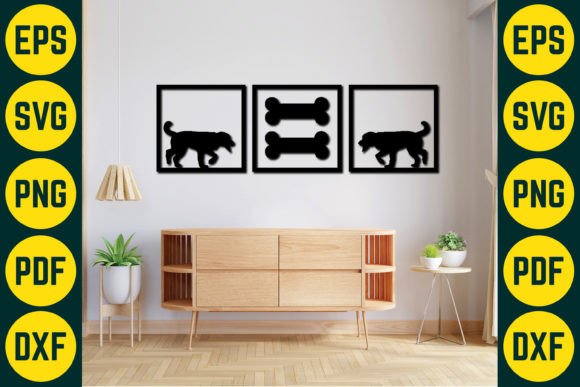
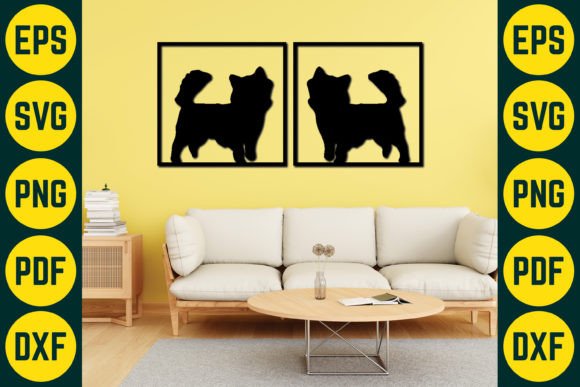
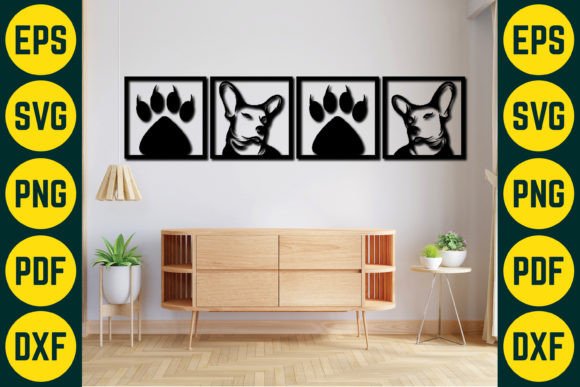
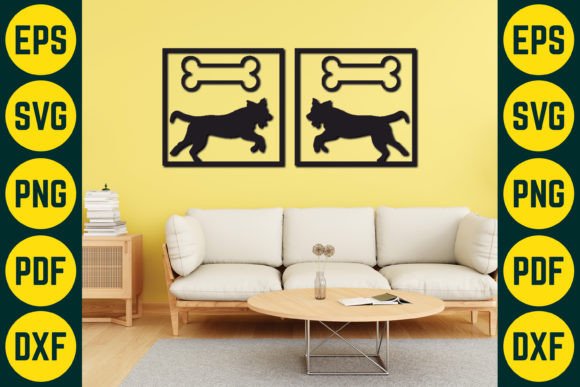
The Dog Wall Decor Laser Cut SVG Design 13 carries a friendly, approachable feel. The dog silhouette is simple without being simplistic—there is enough shape definition to recognize the breed characteristics, but the overall outline remains uncluttered. That matters a lot when you are moving from a laser cut vector into an embroidery project. Designs that rely too heavily on fine internal cuts can become muddy once converted to satin stitch or fill stitch. This one avoids that trap. The visual personality is warm and slightly rustic, which makes it a natural fit for handmade products like aprons, tea towels, pillow covers, and wall hangings. It also works well for personalized gifts, especially for dog owners who appreciate clean, modern decor. The mood is not overly sentimental or cartoonish, so it can sit comfortably in both casual apparel and home decor contexts.
Because this design comes as an EPS, SVG, and PDF file, it gives you flexibility to open it in most vector editing or embroidery digitizing software. The SVG format is especially useful for previewing how the design will scale across different product sizes. If you are an Etsy seller or small shop owner looking to build a consistent product line, this kind of clean vector base helps you maintain brand cohesion across multiple items.
Real Stitching Performance: From Screen to Fabric
I tested the Dog Wall Decor Laser Cut SVG Design 13 on a midweight cotton canvas tote bag, using a medium hoop size. The design stitched out cleanly with good edge definition. The key here is that the original vector does not contain excessive tiny details that would force you into a very dense stitch count. That makes it suitable for a range of fabric textures, from smooth quilting cotton to slightly textured linen blends. If you are planning to use this for custom apparel like a sweatshirt or a t-shirt, I recommend testing it on a scrap piece of the same fabric first. The design's open silhouette means it works well with both light and dark thread colors, but you will want to check contrast against your fabric background. A dark thread on a light fabric will give you a crisp, graphic look. A light thread on a dark fabric can work too, but you may need to add a subtle underlay or adjust your pull compensation to keep the edges sharp.
For those who work with applique designs, this vector also lends itself to that technique. The clear outer shape makes it easy to cut fabric layers, and the absence of overly tight internal corners means your satin stitch will lay smoothly. I also tested it as a standalone fill stitch design on a cotton apron, and it held up well after a wash cycle. The stitch density felt balanced—not so dense that it puckered the fabric, but substantial enough to give the design presence. If you are producing embroidered patches for a craft business or small shop, this design would work well as a patch outline. Just be sure to use a tear-away or cut-away stabilizer depending on your fabric weight.
Where This Design Shines and Where to Be Cautious
This design naturally fits into several product categories. I can see it working beautifully on:
- Custom apparel like sweatshirts, t-shirts, and baby onesies, especially when stitched in a single color for a clean, modern look
- Tote bags and aprons for a boutique or handmade shop, where the design adds a personal touch without overwhelming the product
- Pillow covers and tea towels for home decor, particularly if you are creating a pet-themed collection
- Holiday gifts and personalized items for dog owners, such as embroidered blankets or nursery decor
- Digital product previews and printable mockups for Etsy listings, where the SVG format lets you show the design on different backgrounds
That said, there are a few situations where you should use this design carefully. If you are working with a very small hoop size, such as a 4x4 hoop, you may need to scale the design down significantly. At small sizes, the silhouette may lose some of its definition, especially if you are using a thick thread like a 40-weight. I recommend testing the design at the intended size before committing to a production run. Similarly, if you are embroidering on stretchy fabric like a knit cap or a jersey t-shirt, you will need to use a stabilizer that can handle the movement. A cut-away stabilizer is usually a safer choice for stretch fabrics, and a medium weight will give you enough support without adding bulk.
Textured fabrics like fleece or thick wool can also be tricky. The design's open shape means it can sink into the fabric pile if you are not careful. Adding a layer of water-soluble stabilizer on top can help keep the stitches visible. For curved surfaces like caps, this design is best placed on the front panel rather than the brim or side, where the shape might distort. If you are producing items that will be washed frequently, such as kitchen towels or baby clothes, test the design on a sample first. The stitch density should be fine for regular washing, but always check your thread tension and stabilizer choice to avoid puckering over time.
Visual Impact and Customer Perception
From a business perspective, the Dog Wall Decor Laser Cut SVG Design 13 offers a polished, professional look that customers trust. It does not feel like a rushed or overly generic design. When I showed the stitched sample to the boutique owner, she immediately commented that it looked "like something you would buy at a high-end gift shop." That kind of reaction is exactly what you want when you are building a brand as an Etsy seller or a small shop owner. The design's clean lines make it easy to pair with additional text or decorative accents, such as a name or a small heart. If you are offering personalized gifts, this design gives you a strong base that you can customize without losing visual clarity.
The design also works well as a standalone decorative element. On a pillow cover or a tote bag, it becomes the focal point without needing extra embellishment. That simplicity helps with product photography and printable mockups, because the design reads clearly even in small thumbnail images. For craft business owners who sell at markets or online, this kind of versatile design asset can save you time when creating new product variations. You can use the same design across multiple product types—apparel, home decor, accessories—and maintain a consistent look that customers recognize.
Practical Notes for Embroidery Designers
Before you use this design in a commercial embroidery project or a handmade product for sale, there are a few things to check. First, confirm the licensing terms for the Dog Wall Decor Laser Cut SVG Design 13. The product description states that it is ready for instant download and includes EPS, SVG, and PDF files, but it does not specify whether commercial use is allowed. If you are planning to sell finished products or digital files based on this design, verify the license with the seller first. This is a standard step for any digital embroidery file or design asset, and it protects your business in the long run.
Second, test the design on scrap fabric before stitching it on your final product. This is true for any machine embroidery design, but especially for vector-based designs that were originally created for laser cutting. The conversion to stitch files can sometimes reveal issues with density, underlay, or edge sharpness. Run a test stitchout in a single color first, then try a two-color version if you plan to add contrast. Check the design in black and white mockups as well, because that will show you how the shape reads without color distraction. If you are using light fabric, dark thread will give you the strongest contrast. If you are using dark fabric, consider a lighter thread or a metallic option for a subtle shimmer.
Third, review the stitch density and hoop size before you start. The product files do not include specific stitch counts or recommended hoop sizes, so you will need to determine those based on your digitizing software or your machine's settings. For a design of this nature, a medium hoop size like 5x7 or 6x10 is usually a safe starting point. If you are scaling the design up or down, adjust your stabilizer weight accordingly. A heavier fabric may need a firmer stabilizer, while a lightweight fabric like a t-shirt will benefit from a softer cut-away.
Finally, consider the end use of your finished product. If you are making a personalized gift for a dog owner, this design will likely be well received because it feels thoughtful and not overly commercial. If you are producing items for a craft fair or an Etsy shop, the design's clean silhouette will help your products stand out in a crowded market. The fact that it comes in multiple vector formats also makes it easy to create printable mockups for your listings, which can save you time and photography costs.
Overall, the Dog Wall Decor Laser Cut SVG Design 13 is a solid choice for anyone looking to add a pet-themed design to their embroidery project lineup. It balances visual appeal with practical stitching performance, and it fits naturally into a wide range of product categories. Whether you are a hobbyist making gifts for friends or a small business owner building a product line, this design offers a clean, professional base that you can adapt to your needs. Just remember to test it first, check your licensing, and choose your fabric and stabilizer carefully. With a little preparation, this design can become a reliable asset in your craft business toolkit.