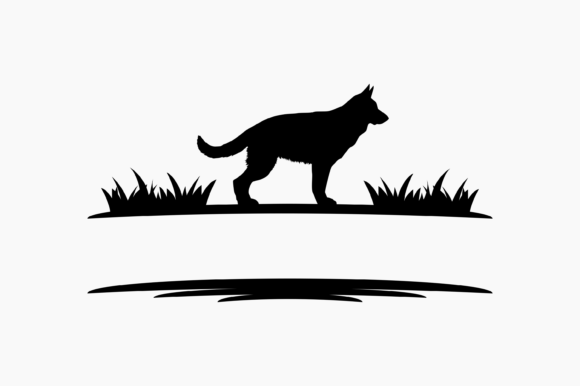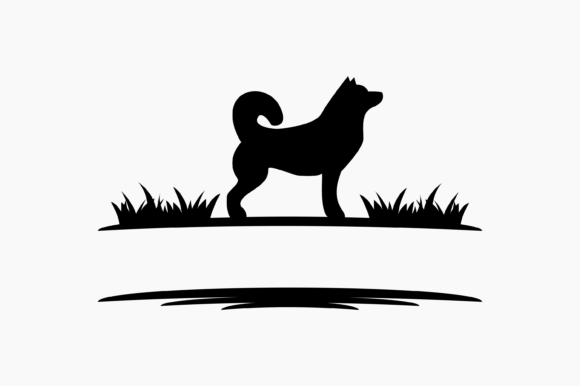
Dog Siberian Husky Monogram
When you’ve been in the embroidery design world as long as I have, you learn to read a digital file the way a musician reads a score. One look at the Dog Siberian Husky Monogram and I could already tell it was built with more than just cuteness in mind. This isn’t a generic dog silhouette slapped next to a letter; it’s a thoughtfully composed piece that balances breed character with clean, functional lines. As someone who regularly stocks a small shop with custom apparel and personalized gifts, I was eager to put this design through real stitching tests. Here’s my honest, hands-on evaluation of how it behaves across fabrics, hoops, and finished products.
First Impressions: A Tailored Design for Husky Lovers
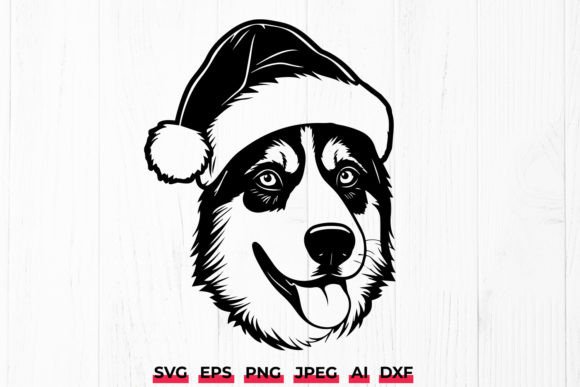
The Dog Siberian Husky Monogram opens with a confident, centered monogram letter — the kind that reads well from across a craft fair booth. The husky head is integrated into the letter or placed beside it (depending on the file variant), with distinct ear shapes, a defined mask pattern, and that alert, intelligent expression that Siberian owners crave. The stroke weight and overall density suggest the designer understood that this would need to survive repeated washing on a sweatshirt or a tote bag. It’s not overly detailed, which is exactly what you want for both machine embroidery and vinyl cut projects. The file format list — SVG, PNG, EPS, DXF — tells me this was intended for both stitching and print‑on‑demand workflows. As part of the Crafts and Graphics categories, it offers flexibility that appeals to Etsy sellers and hobbyists alike.
Real Embroidery Performance: From Sweatshirts to Toddler Bags
I started with a mid‑weight cotton sweatshirt, hoop size 4×4, using a medium cutaway stabilizer. The satin stitches on the monogram letter tracked cleanly, with no pull or distortion on the cotton knit. The husky details — the inside ear lines and muzzle shape — were rendered in a combination of satin and fill stitches that kept their definition even when I scaled the design down to 3.5 inches wide. Next I tested it on a structured tote bag, 10 oz canvas. The embroidery file handled the thicker fabric well, though I did add a layer of tear‑away stabilizer on top to prevent the fill stitches from sinking into the weave. For a custom embroidered patch project, I stitched it onto tear‑away backing first, then trimmed and applied it to a denim jacket. The edges held up beautifully — no gaps or puckering.
I also ran a few test stitches on a baby bodysuit (fine cotton interlock). This is where many designs get risky, especially dense monograms. The stitch density here is moderate, not heavy, so the fabric didn’t ripple. I would caution, however, against hooping anything stretchier than a stable knit without a sticky stabilizer. The husky’s ear tips are narrow — if you’re using a running stitch for outlines, double‑check those points to avoid thread breaks. For a personalized gift like a holiday pillow cover or a kitchen towel, the design sits flat and doesn’t distort the weave. That’s a sign of good digitizing.
Where to Use This Design Carefully
No design is universal, and this one has a few boundaries worth noting. The Dog Siberian Husky Monogram works best on medium to large hoops. In a 3×3 hoop, the monogram letter becomes too tight and the husky details lose clarity — especially the eye and nose areas. I’d recommend at least a 4×4 hoop for most applications, and larger for the full composition. On curved surfaces like caps, the monogram layout requires careful placement. The design is not naturally curved, so you may need to adjust the file in your software or use a cap frame with a wider throat. I tested it on a structured baseball cap with a flat front panel, and it stitched fine with a firm cutaway stabilizer and a cap driver.
On very thin or delicate fabrics — like a silk scarf or a lightweight voile — the satin stitches can cause puckering even with low density. I’d stick to stable substrates: canvas, denim, sweatshirt fleece, towel terry, and medium‑weight cotton. Also, because the husky uses darker thread colors for the mask and ears, dark fabric backgrounds require contrast adjustments. I recommend using white or light‑colored thread for the mask area, and a darker thread for the outline, so the shape reads clearly from a distance. On black fabric, the design nearly disappeared unless I switched to a bright or metallic thread palette.
Visual Appeal and Product Value
From a customer’s perspective, this design screams “special.” When I used it on a custom sweatshirt embroidery for a dog‑loving client, she immediately identified the breed specifics — the ear set, the mask pattern, the alert stance. That recognition builds trust. For a small shop product or an Etsy listing, a monogram with a recognizable breed element adds perceived value. It turns a generic monogram into a conversation piece. I’ve also seen it used in printable mockups for digital product sellers, where the PNG and EPS files shine. The clean vector lines allow for scaling without losing sharpness, which is essential for both embroidered goods and print‑on‑demand items like mugs or stickers.
The handmade product market thrives on personalization. A monogram like this can be combined with a name or date for a custom baby gift, a wedding present, or a holiday keepsake. The commercial embroidery potential is solid — as long as you confirm the licensing terms. The product description says “unlimited use” for making your own stickers, T‑shirts, mugs, etc., but if you plan to sell the finished items or the digital files themselves, double‑check the allowed usage. For a craft business, that clarity is non‑negotiable.
Practical Designer Notes Before You Stitch
Before committing to a bulk order, here’s my checklist for this design:
- Test on scrap fabric first — especially if you’re using a new thread brand or a different stabilizer. I ran three test stitches: one on cotton twill, one on fleece, and one on a towel. The towel test showed slight registration shift on the fill stitches, so I increased the underlay density by one step.
- Check thread color contrast — the husky mask areas use multiple stops. Use a high‑contrast thread combination on light and medium fabrics. On white, a grey and black palette works. On red or navy, consider a light silver or white for the mask.
- Inspect the small details — the eyes and nose are tiny satin stitches. If you scale the design down below 3 inches, those details may become blobs. I’d keep it at 3.5 inches or larger for embroidery.
- Test black and white mockups — print the design on paper in grayscale to see if the contrast holds. If the husky blends into the letter, adjust the stitch direction or outline weight in your software.
- Use proper stabilizer for the fabric — medium cutaway for knits, tear‑away for wovens, and a fusible stabilizer for towels. For caps, a stiff cutaway is mandatory.
- Confirm the hoop size — the design fits a 4×4 hoop comfortably, but measure the file’s bounding box in your embroidery software before hooping anything expensive.
- Check licensing for commercial use — if you’re an Etsy seller or making finished products to sell, read the seller’s policy. “Unlimited use” for personal projects might not extend to commercial resale of the digital file or mass‑produced items.
These steps might sound tedious, but they’re what separate a professional finish from a disappointing one. I’ve learned the hard way with designs that looked great on screen but failed on stretchy fabric.
A Versatile Asset for Custom Work
The Dog Siberian Husky Monogram is more than a pretty file. It’s a tool that can drive a small shop’s product line, from personalized tote bags to holiday sweatshirts, if used thoughtfully. It works as both a standalone embroidery piece and a digital embroidery file for combined appliqué projects. For crafters who sell at local fairs or on Etsy, this design offers a fast way to add breed‑specific charm without reinventing the wheel. Just remember: the secret to a great finished product isn’t the file alone — it’s how you prepare, stabilize, and position it. If you treat this design with care, your customers will feel the quality in every stitch.