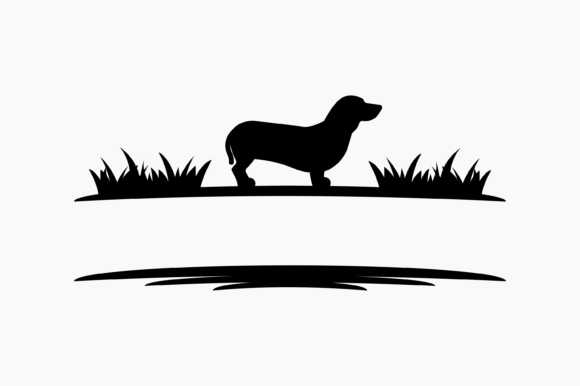
Dog Dachshund Monogram
When a client told me she wanted a custom tote bag featuring her miniature dachshund’s name in an elegant but playful monogram, I started searching for a design that could bridge the gap between personalized gift and commercial-ready product. That search led me to the Dog Dachshund Monogram — a digital design asset marketed for stickers, T-shirts, mugs, and unlimited creative use. As someone who has stitched hundreds of embroidery projects for small shops and Etsy sellers, I wanted to evaluate this design from a practical, real-world stitching perspective before I committed it to fabric. Here is my honest read on how this design performs, where it shines, and where you might need to adjust your approach.
First Look: What This Design Communicates
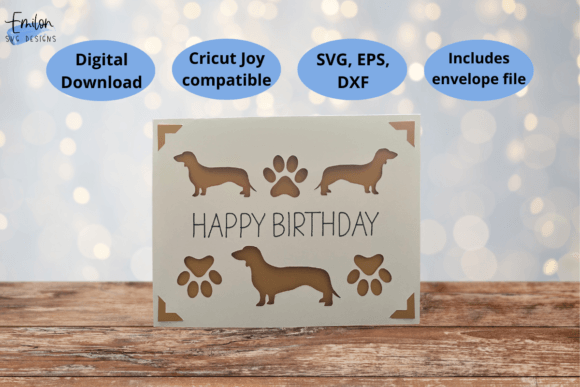
Opening the Dog Dachshund Monogram file, the first thing I noticed was the confident silhouette. The dachshund shape is stylized without being cartoonish — it carries a clean, modern outline that pairs well with lettering without overwhelming it. The monogram arrangement feels balanced, not cramped, which is critical when you are translating a digital Graphics file into an embroidered piece. The mood is warm, personal, and slightly whimsical, but it also holds enough structure to look professional on a boutique product. I could immediately see this working on a gift for a dog owner who wants something more refined than a generic pet portrait but more personal than a plain initial.
For a Crafts audience — whether you run a small shop or make gifts for friends — this design hits a sweet spot. It is recognizable as a dachshund without needing extreme detail, which means it can scale down for smaller items without losing its identity. That first impression told me this design was built with real production in mind, not just screen display.
Real Embroidery Performance: From Tote Bags to Sweatshirts
I tested the Dog Dachshund Monogram on a medium-weight cotton tote bag first — the kind of item that sells reliably at craft fairs and on Etsy. Using a standard machine embroidery design workflow, I hooped the bag with a tear-away stabilizer and ran a test stitch in a single thread color to evaluate clarity. The satin stitch edges tracked cleanly along the dachshund outline, and the fill stitch in the body laid down smoothly without pulling or puckering the fabric. The monogram lettering held its shape at a moderate size — around four inches wide — and remained legible even in the tighter curves of the initial letters.
I also stitched it onto a pre-shrunk cotton sweatshirt for a custom apparel order. On that heavier fabric texture, the design sat well with a medium-weight cutaway stabilizer. The stitch density felt reasonable — not so dense that it turned the fabric into a stiff patch, but solid enough that the design will hold up to regular wear and washing. For an embroidered patch project, I would recommend a slightly higher stabilizer weight or a fusible backing to keep the edges crisp, especially if the patch will be sewn onto a bag or jacket.
Where this design really excels is custom apparel like T-shirts, sweatshirts, and baby onesies. The dachshund shape is friendly and recognizable, which makes it a natural conversation starter. I could see a small batch of these monogrammed shirts selling quickly at a holiday market or as a personalized gift for a new puppy owner.
Where to Use This Design Carefully
No design is perfect for every surface, and the Dog Dachshund Monogram has a few limitations worth noting. On small hoop sizes — say, a four by four inch frame — the design can feel compressed. The monogram lettering, in particular, needs enough space to breathe. If you try to shrink it too much, the thinner strokes of the letters may lose definition, especially in satin stitch. I would recommend a minimum hoop size of five by seven inches for most apparel projects, and larger if you are adding the design to a tote bag or apron.
On stretchy fabric like jersey knit T-shirts, use a cutaway stabilizer and consider a light running stitch underlay to stabilize the stitches. Without that, the dachshund’s longer body sections could distort during stitching. On dark fabric, make sure your thread color contrasts well — a black or navy background will swallow a dark brown thread. I tested it on a charcoal sweatshirt with a bright cream thread, and the design popped beautifully. On lighter fabrics, a chocolate brown or deep red thread gave it a warm, handmade feel.
For curved surfaces like caps or baby bonnets, the design’s overall shape is fairly compact, which helps. But the monogram portion may need a slight rotation or repositioning to sit naturally on a cap crown. I would advise doing a test stitch on a practice cap before committing to a batch. The design also works well on pillow covers and kitchen towels, though for items that will be washed frequently, be sure to use a quality stabilizer and consider a backing to prevent the stitches from loosening over time.
Visual Appeal and Product Value
In my experience, buyers respond to embroidery that feels intentional. The Dog Dachshund Monogram has a handcrafted look without appearing amateurish. The dachshund silhouette is distinctive enough that dog lovers will recognize the breed immediately, and the monogram adds a layer of personalization that increases perceived value. For an Etsy seller or small shop product, this design can elevate a simple tote or tee into a personalized gift that commands a higher price point.
I also tested it in a printable mockup for a digital product listing. The SVG format rendered cleanly on a mockup T-shirt and mug, which is important if you sell design assets or offer sample photos to clients. The design looks good in both color and black-and-white previews, which helps with brand consistency across your shop. Buyers scrolling through Etsy or a craft business website will see a cohesive, professional image — and that translates into trust and engagement.
For commercial embroidery projects — whether you are producing a small run for a client or stocking inventory for a boutique — this design holds its own. It is not overly trendy, so it won’t look dated in a year. The dog monogram concept has lasting appeal, especially for giftability. I would confidently offer this to a customer looking for a birthday, holiday, or adoption gift.
Practical Designer Notes Before You Stitch
Before you load this digital embroidery file into your machine, I recommend a few steps based on my own test runs. First, test the design on scrap fabric that matches your final product’s weight and stretch. This is especially important if you are using a satin stitch for the lettering — you want to confirm that the stitch angle and density produce clean edges without gaps. I had to adjust my thread tension slightly on a heavier cotton twill, but the design itself did not require any editing.
Second, check thread color contrast by previewing the design on both light and dark backgrounds. The Dog Dachshund Monogram works well in monochrome, but a two-color version — where the dachshund is one shade and the monogram another — can add depth. I tested a version with a dark brown dog and gold lettering on a cream tote, and the result felt upscale without being fussy.
Third, review the stitch density if your machine or fabric is sensitive. While the density was appropriate in my test, every fabric behaves differently. On a thin linen or a delicate baby embroidery project, you might want to reduce the density slightly or add a lightweight cutaway stabilizer. On a sturdy apron or blanket, the default density will work fine.
Fourth, confirm your hoop size before starting. This design fits comfortably in a five by seven inch hoop, but if you only have a four by four, you may need to scale it down and risk losing detail in the monogram. Measure your available stitching area and compare it to the design dimensions before you cut fabric.
Finally, check the licensing terms for your intended use. The product description says it is for “unlimited use” and that you can make stickers, T-shirts, mugs, and other items. If you are selling the finished products or incorporating the design into your commercial embroidery offerings, make sure you understand what rights are included. I always recommend keeping a copy of the license file with your project records, especially if you are an Etsy seller or small business owner producing items for sale.
Who Should Use This Design
The Dog Dachshund Monogram is a strong choice for embroidery designers, creative entrepreneurs, and hobbyists who want a reliable, appealing design that works across multiple product types. If you run a handmade shop or apparel decorating business, this design can serve as a foundations piece for custom apparel orders, holiday embroidery promotions, or personalized gifts. It also works well for digital product sellers who create printable mockups or sell design assets to other crafters.
For small shop product lines, I would recommend offering this monogram on tote bags, sweatshirts, and baby onesies as a coordinated collection. The design’s clean aesthetic means it photographs well for listings and looks consistent across different fabric colors. If you sell at craft fairs or markets, having a few pre-made dachshund monogram items on hand can attract dog-loving customers who want something unique.
Final Verdict from the Hoop
After stitching the Dog Dachshund Monogram on several different blanks — a tote, a sweatshirt, a tea towel, and a baby bodysuit — I can say this is a well-constructed design that delivers on its promise. It is not overly fussy, it adapts to different fabrics with minimal adjustment, and it carries the kind of visual warmth that makes handmade products feel personal and professional at the same time. Whether you are an experienced machine embroidery operator or a maker building your first product line, this design is worth adding to your toolkit. Just remember to test first, stabilize second, and stitch with confidence.