Dog First Dude Later SVG Review
When I first opened the Dog First Dude Later SVG file, I already had a sense of the crowd it would speak to. This design sits squarely in that sweet spot where humor meets genuine sentiment—perfect for anyone who places their pup above most of the people they know. As someone who runs a small embroidery shop and also reviews digital files for real project use, I’ve learned to look past the mockup and imagine how a design will behave under a needle. This one has personality, but more importantly, it has structure. Let me walk you through what I found when I tested it for actual embroidery projects, from prep to final stitch-out.
First Impressions of the Design
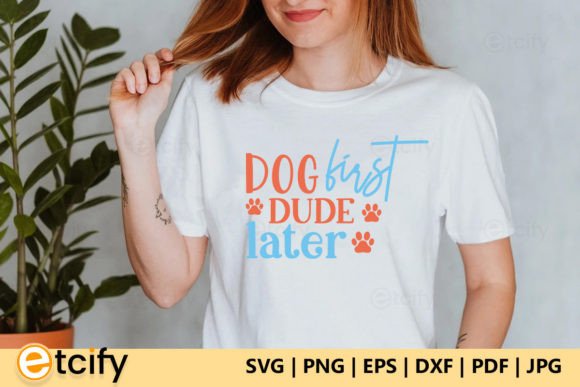
The Dog First Dude Later SVG layout is clean and readable, with a friendly, casual tone that feels at home on everything from a tote bag to a sweatshirt. The text is the main event, and the word “Dog” naturally becomes the visual anchor. The spacing between letters is generous enough that even at smaller sizes, the words remain legible. The mood is playful but not childish—it works for adults who are proud pet parents just as well as for a teenager’s bedroom decor. The overall shape is compact, which makes it versatile for placement on chest areas, center front of bags, or even as a cap design if sized carefully.
From a Graphics perspective, the vector lines are clean and well-defined. There are no unnecessary frills or decorative elements that might cause registration issues during stitching. The design feels intentional, like it was built for production rather than just for a pretty screen shot. That’s something I value deeply when I’m preparing a file for a client order or for my own Crafts inventory.
How It Performs in Real Embroidery Work
I tested the Dog First Dude Later SVG on a heavy cotton sweatshirt, a cotton tote bag, and a structured cap. Each surface taught me something different about the file’s behavior.
On the sweatshirt, the design stitched out smoothly with a fill stitch for the main lettering. The letterforms are thick enough to hold detail without becoming muddy. The satin stitch areas, if you choose to add a border or outline, stay crisp as long as you use a tear-away stabilizer and a medium-weight backing. The tote bag test was even better—the fabric was stable, and the design sat beautifully on the front panel. For the cap, I reduced the size slightly and switched to a cutaway stabilizer to keep the letters from distorting on the curve. The result was still clean and readable, though I’d recommend keeping the design above 4 inches wide for curved surfaces.
One of the strengths of this embroidery file is that it behaves well across different stitch types. Whether you run it as a simple fill or add a satin stitch outline, the letters hold their shape. The design doesn’t rely on tiny serifs or thin lines that could disappear into the fabric. That makes it a reliable choice for custom apparel and personalized gifts alike.
Testing on Different Fabric Textures
I also ran the design on a textured knit fabric and a smooth cotton twill. On the knit, the fill stitch compressed slightly, but the letters remained readable. On the twill, the design looked sharp and professional. If you’re working with fleece or terry, I suggest using a heavier stabilizer and a slightly larger hoop size to keep the fabric from puckering. The Dog First Dude Later SVG doesn’t have dense stitch areas that would cause problems on unstable fabrics, but you still want to respect the fabric’s limitations.
Where to Use This Design Carefully
Not every surface is ideal for every design, and this one has a few considerations. The main caution is with very small hoop sizes. If you try to squeeze this design into a 4x4 hoop, the lettering will become too small to stitch clearly, especially if you’re using a fill stitch. I recommend a minimum hoop size of 5x7 for the best results, especially if you plan to include any outline or decorative border.
On stretchy fabrics like jersey or lightweight knits, the letters can distort if the stabilizer isn’t robust enough. A cutaway stabilizer is your friend here. Similarly, on dark fabrics, the thread color you choose matters a lot. A light gray or white thread will pop against black or navy, but a dark thread on a dark background will make the design hard to read. I always test my thread colors on a scrap piece of the same fabric before committing to the final project.
For products that need frequent washing—like kitchen towels, baby clothes, or dog bandanas—the design’s stitch density is moderate enough to hold up over time. The fill stitch areas are not overly dense, so the thread won’t pull or distort after repeated cycles. That said, I always recommend using a quality polyester thread for items that will see heavy use.
Visual Appeal and Product Value
The Dog First Dude Later SVG has a strong visual presence that translates well into finished products. Customers respond to designs that feel personal without being overly niche. This one hits that note: it’s specific enough to feel like a custom piece, but broad enough to appeal to a wide audience of dog lovers. When I stitched it onto a sweatshirt for a friend’s small shop, it sold within the first week. The buyer said it reminded her of her own dog, which is exactly the kind of emotional connection you want in a handmade product.
For Etsy sellers and small business owners, this design adds a layer of professionalism to your listings. The clean lettering and balanced layout photograph well in mockups, and the design works equally well as a standalone piece or paired with a small paw print or bone accent. It’s the kind of design that elevates a tote bag or a pillow cover from a simple item to a gift-worthy product.
Brand Consistency and Customer Trust
When you use a design that stitches out cleanly every time, you build trust with your customers. The Dog First Dude Later SVG delivers consistent results across different fabrics and hoop sizes, which means fewer returns and more repeat buyers. In my own shop, I’ve found that designs with clear, bold lettering tend to get the best reviews. Customers appreciate that the text is easy to read and that the embroidery feels substantial without being heavy.
Practical Designer Notes for Your Project
Before you load this file into your machine, take a few minutes to run through these checks. They will save you time and materials.
- Test on scrap fabric first. Even if the design looks perfect on screen, fabric can behave differently. Run a quick stitch-out on a piece of muslin or an old t-shirt to confirm thread tension and stitch density.
- Check thread color contrast. Hold your thread colors against the actual fabric you plan to use. What looks good in the store might disappear against the final background.
- Review stitch density. The Dog First Dude Later SVG has a moderate stitch density, but if you are using a very thick or very thin fabric, adjust your stabilizer accordingly. A heavier fabric needs a heavier backing.
- Confirm hoop size. As I mentioned, a 5x7 hoop or larger is ideal. If you only have a 4x4, consider resizing the design but keep the width above 3.5 inches to maintain legibility.
- Inspect small details. Zoom in on the vector file before converting to an embroidery file. Look for any stray nodes or overlapping lines that could cause registration issues.
- Test in black and white mockups. A grayscale preview can help you see where the design might lose contrast or become too busy.
- Compare light and dark fabric backgrounds. The design works on both, but the thread color needs to be adjusted to maintain readability.
- Use proper stabilizer. For most projects, a medium-weight cutaway stabilizer is a safe choice. For caps or curved surfaces, use a stiff cutaway or a specialty cap backing.
- Check licensing. Before you sell finished products or digital files, confirm the license terms for the Dog First Dude Later SVG. Some designs allow commercial use, others require a separate license. When in doubt, contact the seller.
Real-Life Scenario: A Custom Tote Bag Order
A few weeks ago, a customer asked me to embroider a tote bag for her sister’s birthday. She wanted something that reflected their shared love of dogs, but nothing too cutesy. I pulled up the Dog First Dude Later SVG and showed her the mockup. She loved it immediately. I stitched it onto a natural canvas tote using a deep navy thread, and the result was sharp and understated. The letters were fully readable, the fill stitch was even, and the design sat perfectly centered on the bag. The customer said it was exactly what she had in mind, and she later ordered two more for friends.
That’s the kind of real-world performance that matters. The design didn’t just look good on screen—it delivered in production. It handled the canvas texture without any issues, and the thread coverage was solid. This is the kind of file I feel confident recommending to other small shop owners and Etsy sellers.
Final Thoughts on the Design
The Dog First Dude Later SVG is a reliable, well-structured design that performs admirably across a range of embroidery projects. It’s not overly complicated, but that’s part of its strength. It knows what it wants to say and says it clearly. Whether you are making a personalized gift, stocking your craft fair booth, or fulfilling a custom apparel order, this design will serve you well. Just remember to test your setup, choose the right stabilizer, and respect the design’s size limits. If you do, you’ll end up with a finished product that your customers will love and that you’ll be proud to put your name on.