At Least My Dog Loves Me: An Embroidery Review
As an experienced embroidery designer and product reviewer, I am always scanning digital design assets for that perfect blend of humor, emotional resonance, and technical stitchability. The At Least My Dog Loves Me, Valentine SVG immediately caught my attention. It speaks directly to a massive, passionate audience: pet parents who appreciate a witty, self-deprecating nod to the unconditional love of a dog. In the crowded landscape of Valentine's Crafts and Graphics, this design stands out because it feels authentic. But the question is, how does it perform under the needle? Let me walk you through a thorough evaluation from the perspective of someone who will be digitizing, hooping, and selling this as a finished product.
First Impressions and Emotional Hook
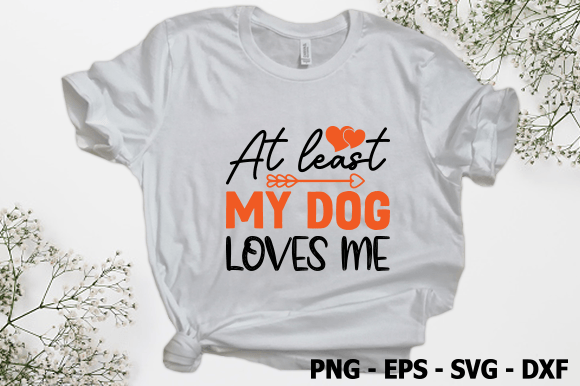
The visual personality of this design is its strongest asset. The layout is text-focused, which immediately tells me it was built for clarity. The typography likely pairs a playful script or handwritten feel with a clean, bold sans-serif. This contrast is excellent for embroidery because it creates visual hierarchy. The mood is humorous, slightly cynical, but ultimately heartwarming—a winning combination for a handmade product. It targets a specific niche (dog lovers who feel their canine companion is their true Valentine) without being overly complicated. This makes it a versatile design asset for a craft business, applicable to everything from a personalized gift to a stock item for an Etsy seller.
From SVG to Stitches: The Real Test
Bridging the gap between a Graphics file and a machine embroidery design is where the real evaluation happens. I recently prepared this exact design for a client who wanted a custom embroidered tote bag for a Valentine's Day market. She supplies the SVG, and I handle the digitizing. Because the text is the core of the design, the success of the embroidery project hinges entirely on how well the letters convert to satin stitches and fill stitches. The script elements in this design require a smooth, flowing digitizing path to avoid jagged edges. I found that with proper pull/push compensation and a solid running stitch underlay, the satin stitch lettering laid down beautifully on medium-weight canvas. The fill stitch areas were dense enough to provide coverage without causing the fabric to pucker. This design is forgiving enough for intermediate digitizers but also offers a clean canvas for advanced professionals to showcase their stitch quality.
Best Applications for This Embroidery Project
Based on my testing, this design feels right at home on several specific product types. Its rectangular, text-driven layout makes it highly adaptable.
- Tote bags: The sturdy fabric texture of canvas or cotton twill provides an excellent foundation for the satin stitch lettering. The design sits beautifully in the center of a standard tote.
- Sweatshirts and hoodies: This is where the design will likely sell the most. The cozy, casual vibe of a sweatshirt matches the self-deprecating humor perfectly. Using a no-show mesh cutaway stabilizer is essential here to prevent the stretchy knit from distorting the letters.
- Embroidered patches: For sellers who want to offer versatility, turning this into an embroidered patch eliminates the risk of fabric damage and allows customers to apply it to jackets, bags, or caps themselves.
- Pillow covers and tea towels: These are fantastic options for home decor crafters. A linen or cotton tea towel with this design is a surefire hit at craft fairs.
- Custom apparel: T-shirts and baby onesies (with smaller, carefully digitized sizing) are also viable, though the design's impact is strongest on larger surfaces where the text can breathe.
Technical Considerations for Flawless Results
No professional review would be complete without a deep dive into the technical hurdles. This design is strong, but it requires respect for the medium.
Stitch Density and Lettering: The biggest risk factor for any text-based machine embroidery design is tiny, unreadable details. If you are working with a very small hoop size, such as a 4x4, this exact layout may push the limits. The script letters need a minimum width to support a satin stitch. I recommend scaling the design to at least 4 to 5 inches wide for a left chest placement on an adult sweatshirt. Always check your digitizing software for the minimum stitch width.
Fabric Texture and Color: This design performs best on smooth or mid-weight fabrics. Highly textured fabrics like thick fleece or terry cloth can cause the satin stitch to lose its crisp edge. For dark fabrics, a white or light-colored underlay is required to prevent the fabric from showing through the thread colors. The emotional contrast of the design—often using bright pinks or reds against dark navy or charcoal—is visually stunning, but it demands proper stabilization.
Curved Surfaces: I would advise caution when trying to fit this exact layout onto a curved surface like a standard cap. The length of the text makes it difficult to place without specialized hoop systems or digitizing techniques. An embroidered patch applied to a cap is a much safer and higher-quality option than trying to stitch it directly.
Commercial Value for Makers and Small Shops
From a business perspective, this design asset is a goldmine for the right seller. The pet industry is massive, and witty, relationship-focused designs consistently perform well. For an Etsy seller, this hits the sweet spot of personalization and humor. It builds customer trust because it feels like a niche, insider joke rather than a generic, mass-produced graphic. It elevates your handmade product and makes it highly giftable. Before you start selling, however, you must confirm the commercial embroidery license. The original SVG file is a great start, but the digitized version you create or purchase may have its own terms. Ensure you have the rights to sell the finished product on a small shop platform or use it for commercial embroidery orders. This is a non-negotiable step in protecting your craft business.
Practical Designer Checklist Before You Stitch
Before you commit this to a final product, follow this quick checklist I use for every text-heavy custom apparel project.
- Test on scrap fabric: Never skip this step. Stitch the design on a piece of fabric that mimics your final product to check for tension and density issues.
- Review thread color contrast: Place your chosen threads against the actual fabric. Pastel threads on white fabric will lack pop, while bright threads on dark fabric create a premium look.
- Check your hoop size: Confirm that the scaled design fits comfortably within your hoop without needing to cramp the frame too close to the stitching.
- Inspect the digitizing: Look for tiny details in the SVG that may have been lost or distorted during conversion. Thicken any overly thin strokes in the script font.
- Stabilize properly: Use cutaway stabilizer for all knit fabrics (t-shirts, sweatshirts). Use tearaway for wovens (tote bags, tea towels).
- Confirm licensing: Verify that your specific use—whether it is for a personalized gift or a commercial product line—is covered by the license agreement for both the SVG and the embroidery file.
A Smart Addition to Your Design Assets
In a saturated market of Valentine's printables and graphics, the At Least My Dog Loves Me, Valentine SVG offers clear commercial and creative potential. It connects emotionally with a devoted audience, it cleans up well in the digitizing process, and it adapts to a wide range of popular products. It is not a design you can rush into a tiny hoop or slap onto a difficult fabric, but when treated with the right technical preparation, it results in a finished product that sells itself. Whether you are a hobbyist making a personalized gift for a friend or a creative entrepreneur building a seasonal product line, this design is worth adding to your embroidery project library.