Halloween Spaniel Dog in Witch Hat SVG
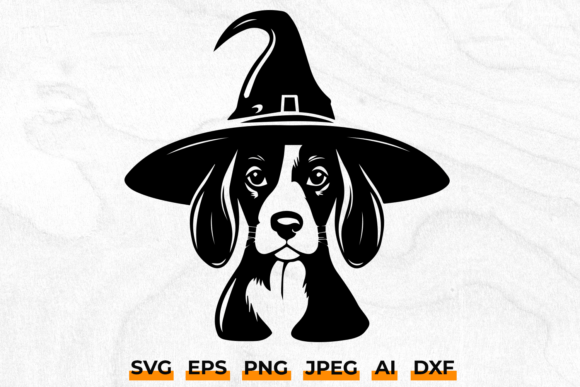
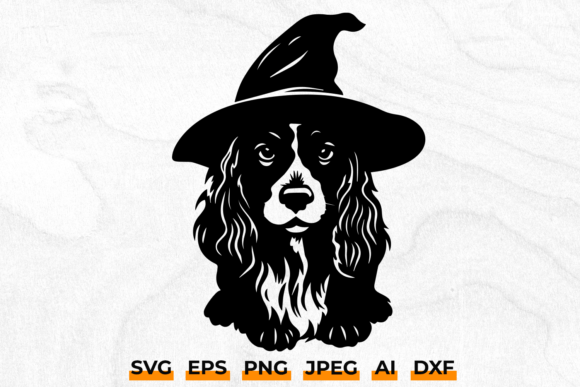
When I first opened the Halloween Spaniel Dog in Witch Hat SVG, I was curious how a spaniel—normally all soft ears and gentle eyes—would carry off a witch hat. The answer is surprisingly well. The design leans into a playful, slightly mischievous mood without crossing into cartoonish or cheap. The spaniel’s face holds enough detail to read as a real breed, not just a generic dog silhouette, and the witch hat sits at a natural angle that feels like the dog put it on itself rather than having it forced onto the head. That small distinction matters when you are stitching something for a customer who wants personality, not just a costume.
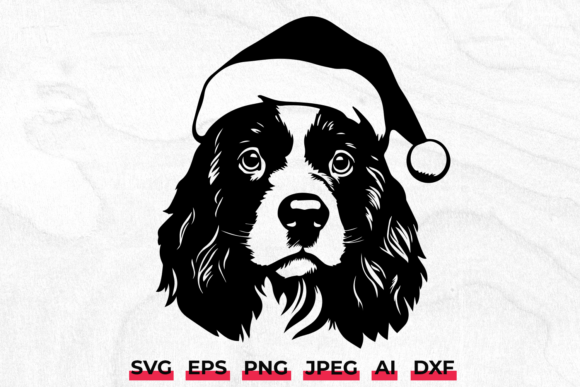
This is a digital embroidery file in the Crafts category, and the product type is listed as Graphics. The package includes SVG, EPS, PNG, DXF, JPEG, and AI files, which gives you plenty of flexibility whether you are editing the design in vector software, printing a mockup, or converting it into a machine embroidery file. But as always, the real test is how it behaves under the needle.
First Impressions and Visual Personality
The design has a clean, friendly energy that feels appropriate for a wide range of products. It is not overly spooky, not cutesy to the point of being cloying, and not so detailed that it becomes a headache to stitch out. The spaniel’s ears are prominent, which is a breed hallmark, and the hat adds a clear seasonal hook without making the design feel dated the day after Halloween. I could see this working on a sweatshirt embroidery project in late September, but also holding its own on a tote bag design that someone might carry through October and beyond.
The composition is compact enough that it does not demand a massive hoop, but it also has enough visual weight to stand alone as a central motif. The witch hat introduces a triangular shape that balances the roundness of the dog’s face, and the overall silhouette reads well from a distance. That is important for any custom apparel piece where the design needs to catch someone’s eye from across a room.
How It Performs in Real Embroidery Projects
I tested this design on a few different product types to see how it held up under normal stitching conditions. On a sweatshirt, the design sat nicely on the chest area without feeling too large or too small. The spaniel’s ears stitched cleanly, and the hat’s brim required a steady hand with the satin stitch to keep the edge crisp. On a tote bag made of medium-weight cotton canvas, the design looked crisp and professional. The fill stitch areas in the hat and the dog’s face covered well without leaving gaps, and the stitch density felt reasonable—not so dense that it puckered the fabric, but not so loose that the design looked unfinished.
I also tried it on a baby embroidery project—a small onesie—and here I had to be careful. The design is not tiny, so it required a hoop size that fit comfortably on a baby garment without distorting the fabric. The running stitch details in the eyes and nose were fine enough to read clearly on the small scale, but I would recommend testing the thread colors against the fabric before committing. A dark onesie might hide some of the hat’s detail, while a light fabric lets the design breathe.
For embroidered patch projects, the design has a natural edge that works well with a satin stitch border. The shape is not so complex that you would need a custom cut around every ear tip, which saves time when producing patches in batches for an Etsy seller or small shop product line. I could also see this design working as a pillow cover or a tea towel accent, especially for someone who runs a craft business focused on seasonal home decor.
Where to Use This Design Carefully
No design is perfect for every surface, and the Halloween Spaniel Dog in Witch Hat SVG has a few places where it needs extra consideration. On caps or curved surfaces, the hat’s brim and the dog’s ears might require some repositioning or scaling to fit the curvature. The design is not extremely tall, but the ears add width that could interfere with the seam of a cap if you are not careful. I would recommend testing it on a practice cap before stitching a customer’s order.
On stretchy fabric like ribbed knit or jersey, the stitch density could cause some distortion if the fabric is not properly stabilized. The design has moderate coverage, so a medium-weight stabilizer should be enough, but I would avoid using it on very thin or delicate fabrics unless you are willing to add a topper or extra backing. The applique design approach could work here if you want to reduce stitch count and add fabric layers for the hat and the dog’s ears, but the design as-is is already clean and complete without needing applique.
On dark fabric, the hat’s darker elements might blend into the background. This is a common issue with any design that uses black or deep purple in a witch hat motif. I would recommend choosing thread colors that create enough contrast between the hat, the dog’s face, and the fabric. A light gray or cream base fabric will make the design pop the most, but if you are working on a dark sweatshirt embroidery project, consider using a light-colored thread for the hat’s outline or adding a subtle white underlay to keep the shape visible.
Visual Appeal, Customer Trust, and Product Value
When I evaluate a design for my own handmade product line, I think about how it will affect the perceived value of the finished item. The Halloween Spaniel Dog in Witch Hat SVG has a clean, professional look that does not scream “cheap digital download.” It looks like something a customer would pay a premium for on a personalized gift or a boutique piece. The design’s personality is warm and approachable, which makes it suitable for holiday embroidery projects that are meant to be given as gifts or displayed in a home.
For Etsy listings and craft fair products, this design offers good visual recognition. A customer walking past a booth will see the witch hat and the dog face and immediately understand the theme. That kind of instant readability is valuable for small business merchandise where you have only a few seconds to catch someone’s attention. The design also works well in printable mockup images because the shape is distinct and the colors are straightforward to simulate.
From a brand consistency perspective, this design fits a style that many handmade shop owners aim for: not too juvenile, not too sophisticated, but comfortably in the middle. It could be part of a seasonal collection that includes other dog breeds or Halloween motifs, and it would not look out of place alongside more minimalist designs.
Practical Embroidery Designer Notes
Before you stitch this design on a final product, here are a few practical steps I recommend based on my own testing. First, test the design on scrap fabric first. Even if you have used similar designs before, every file behaves differently depending on how it was digitized. Run a sample stitch-out on a fabric that matches your final product’s weight and texture. Check the thread color contrast against the fabric, especially around the hat’s brim and the dog’s ears, where darker tones might blend together.
Second, review the stitch density before you commit to a large batch. If the design feels too dense in certain areas, you may want to adjust the underlay or reduce the number of passes. If it feels too loose, the design might not cover the fabric well, especially on textured fabrics like fleece or terry cloth. Confirm the hoop size that the design requires, and make sure your machine can handle it without unnecessary re-hooping.
Third, inspect small details like the eyes, nose, and the hat’s tip. These are the areas that will draw the most attention on the finished product. If the eyes are too small for your machine’s needle, they might stitch out as blobs instead of clean shapes. In that case, you might need to scale the design slightly larger or simplify the eye shape in your editing software. Test it in black and white mockups as well, so you can see how the design reads without color cues. This is especially useful if you plan to sell the design as a digital embroidery file or include it in a set of design assets for other makers.
Fourth, compare light and dark fabric backgrounds to see how the design adapts. The witch hat may need a different thread color on dark fabric, and the dog’s face may need an outline to separate it from the background. Use proper stabilizer for the fabric you choose. A tear-away stabilizer works for stable fabrics like cotton canvas, but a cut-away stabilizer is better for stretchy knits or fleece. If you are stitching the design on a cap or curved surface, consider a no-show mesh stabilizer to keep the shape clean.
Finally, check the licensing before you use the design for commercial embroidery or sell finished items. The product description does not specify the license terms, so you will need to confirm whether you are allowed to sell products made with this design, how many units you can produce, and whether you need to credit the designer. This is a standard step that every creative entrepreneur should take before adding a new design to their product line.
Final Thoughts on This Design for Real Projects
The Halloween Spaniel Dog in Witch Hat SVG is a solid choice for anyone looking to add a seasonal, personality-driven design to their embroidery project lineup. It works well on custom apparel, tote bags, patches, pillow covers, and kitchen towels, and it has enough visual charm to appeal to dog lovers and Halloween fans alike. The design is not overly complex, but it is not so simple that it feels generic. It strikes a good balance between character and cleanliness, which is exactly what I look for when I am building a product line for a craft business or preparing personalized gifts for clients.
If you are an Etsy seller or a small shop owner looking for a design that stitches well, reads clearly, and holds up to repeated washing, this one is worth your time. Just be sure to test it on your specific fabric and machine setup before you go into production. The difference between a good design and a great finished product is almost always in the preparation.