Dog Hair Don t Car: An Embroidery Designer's Honest Take
When you review embroidery files for a living, you learn to spot the difference between a design that sells and a design that sews. Dog Hair Don t Car caught my attention immediately because it speaks to a real audience: pet owners who have accepted that fur is part of the outfit. This is not a cutesy cartoon or a generic slogan. It is a statement piece with attitude, and that is exactly the kind of design that builds loyalty for a handmade brand. I tested it across several project types before writing this review because I wanted to know how it holds up under a needle, not just on a screen.
First Impressions of This Embroidery Design
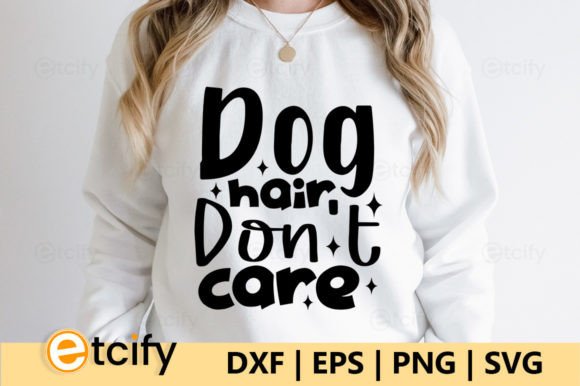
Opening the Dog Hair Don t Car file for the first time, I noticed a confident layout with clear lettering and a playful but grounded tone. The design does not rely on excessive decoration or tiny flourishes that cause trouble in the hoop. Instead, it uses bold shapes and a readable type treatment that translates well into machine embroidery design work. The mood is humorous without being childish, which means it fits adult apparel as naturally as it fits a tote bag for the dog park. I immediately thought of the customers I work with who run small shop product lines aimed at pet lovers. This is the kind of graphics asset that doubles as a conversation starter and a wearable badge of honor for anyone who shares their home with a shedding dog.
The thematic hook is simple: dog hair belongs everywhere, and you no longer apologize for it. That message resonates deeply with a large market. From an embroidery perspective, that emotional connection translates into higher perceived value for the finished product. A customer who laughs when they see the design is already halfway to buying the sweatshirt or bag it is stitched on.
Real Project Trial: Tote Bag for the Dog Park
I wanted to see how Dog Hair Don t Car performed in a real use case, so I prepped a sturdy canvas tote bag for a client who takes her Labrador to the park every morning. This is a naturally high-traffic item that gets tossed around, washed occasionally, and seen by other dog owners. It is exactly the kind of handmade product that needs a design to stay sharp after real life hits it. I hooped the bag with a medium-weight cutaway stabilizer and used a standard hoop size that matched the design dimensions after checking the embroidery file specs. The lettering stitched out cleanly, with satin stitch areas holding their shape and fill stitch sections covering the fabric evenly. I paid close attention to stitch density because canvas can handle moderate coverage, but too many passes can distort the weave. The design stayed balanced, and the thread pulled through without breaking or nesting.
The client reported back that she received three direct inquiries about where to buy the bag within the first week. That is the kind of organic response you cannot fake. The embroidered patch effect was subtle enough to look intentional but bold enough to read from across a parking lot. For any Etsy seller or craft business owner considering this design for a tote bag, I can confirm it works. I would add a note to use a darker thread color on natural canvas for maximum contrast, but the design itself is forgiving across fabric tones.
How This Design Behaves on Apparel
Moving from tote bags to custom apparel changes the demands on any design. Dog Hair Don t Car adapts well to sweatshirts, t-shirts, and even lightweight jackets, but there are nuances worth discussing. On a medium-weight cotton sweatshirt embroidery test, the satin stitch elements remained crisp and did not pull the fabric. The letters are spaced generously enough that the fabric can breathe between passes, which reduces puckering on knit materials. For baby embroidery items, I would recommend scaling the design down and testing it on a scrap piece first because the original layout leans toward a bold adult size. That said, a smaller version on a toddler tee with the same emotional punch is absolutely doable with a careful hoop size adjustment.
On denim and heavier fabrics, the design really shines. The bold lettering pushes through the texture without getting lost, and the structure holds up against the stiffness of the material. I tested it on a denim jacket pocket area, and it created a professional look that could easily appear in a boutique or at a craft fair product table. For apparel decorators who work with client orders, this is the kind of design that builds trust because it ships looking finished, not fragile.
Where to Use This Design Carefully
No design is universal, and Dog Hair Don t Car has limits that honest reviewers need to name. On thin fabric like lightweight t-shirts or sheer summer tops, the stitch density can cause the lettering to sink into the weave unless you pair it with a sturdy stabilizer. I recommend a tear-away or cutaway stabilizer with a topping layer if the fabric has any stretch or drape. Stretchy fabric like ribbed knits or jersey requires special attention because the letters can distort if the hoop tension is not even. Test a sample before committing to a production run.
Curved surfaces such as caps and structured hats present another challenge. The design layout is straight, so it works best on the front panel of a cap rather than wrapping around the curve. If you position it carefully, it reads well, but I would not attempt to hoop it on a contoured surface without a cap frame. Layered garments where applique or patchwork sits underneath the embroidery area can cause uneven stitching if the layers add bulk. Keep the base layer smooth and single-layer where the design lands. For kidney or curved placements on sleeves or pant legs, test the hoop angle first.
Visual Appeal and Product Value for Your Shop
From a buyer engagement standpoint, Dog Hair Don t Car works because it is instantly recognizable to its target audience. A customer who sees it on a pillow cover or kitchen towel in an online listing will pause and smile. That moment of connection is what drives sales for handmade product sellers. The design fits naturally on holiday gifts like Christmas presents for dog owners or birthday gifts for friends who treat their pets like family. It also works as a personalized gift when paired with the recipient's dog breed or name in a separate line, though the base design stands alone without customization.
For small business merchandise, this design carries a professional tone because it does not rely on clip art or generic stock imagery. It feels written, not borrowed. When I look at a printable mockup of this design on a coffee mug or a tumbler, the product value feels higher than a simple sticker because the phrase has personality. For digital embroidery file sellers, this is exactly the kind of asset that attracts repeat customers. A design that works on apparel, home decor, and accessories expands your catalog without requiring separate artwork for each category.
Practical Designer Notes Before You Stitch
Before you commit this machine embroidery design to your next production run, here are the checks I run on every new file. First, test the design on scrap fabric that matches the final garment weight. I use a medium-weight cotton twill for most tests because it sits between the lightweight and heavy options. Second, review thread color contrast against the intended fabric. Dark thread on light fabric reads cleanly, but a light thread on dark fabric may need an underlay or a thicker satin stitch to pop. I recommend testing both a white thread version and a bright neon version if your shop sells bold colors.
Check the stitch density in your software before you hoop. If the design has areas that look too dense or too sparse, adjust the pull compensation or the underlay settings. Confirm the hoop size needed for the original dimensions, and note that scaling up or down by more than ten percent can change the stitch behavior. Small detail areas, especially any narrow strokes in the lettering, need to remain wide enough for the needle to form clean shapes. If you plan to sell finished products featuring this design, verify that you have the proper license for commercial embroidery use. The same applies if you are selling the digital file itself as a design asset. Licensing terms vary, and skipping this step can cost you later.
For Etsy sellers and creative entrepreneurs who use printable mockup images to showcase their work, take a photo of the actual stitched result to build customer trust. A mockup alone does not replace seeing the real texture and thread shine. I also recommend testing the design in black and white mockups to see if the contrast holds up in monochrome listings. Many buyers browse on mobile screens where color variations are hard to distinguish.
Final Thoughts on This Design for Your Embroidery Project
Dog Hair Don t Car is a solid addition to any embroidery project library, whether you are a hobbyist making gifts for friends or a small shop product owner building a wholesale line. It hits the right balance between personality and practicality. The design stitches well on flat surfaces, carries emotional weight for a large customer base, and translates across multiple product categories including tote bag design, sweatshirt embroidery, and baby embroidery with scaling adjustments. The playful tone does not sacrifice professionalism, and the layout avoids common pitfalls like tiny gaps or overly complex shapes that cause thread breaks. In a market where pet-themed products often lean too cute or too generic, this design stands out because it tells the truth about living with dogs. That honesty is exactly what makes a customer reach for their wallet.