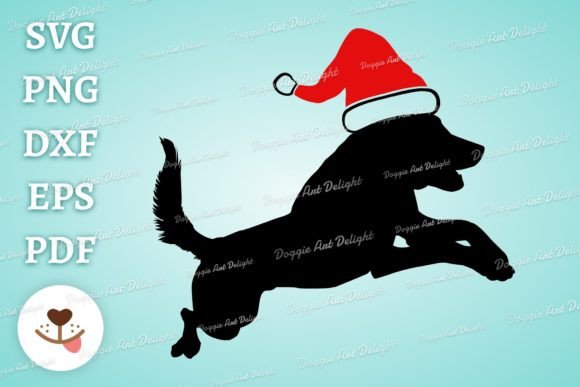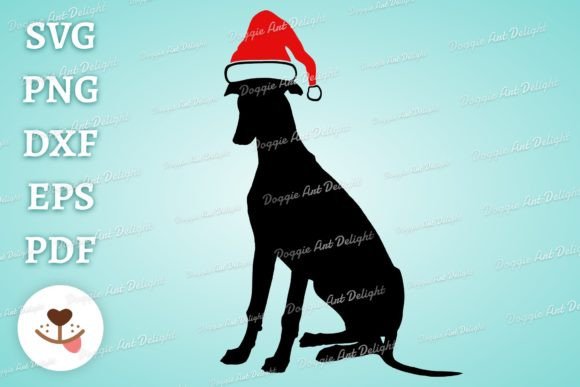
Christmas Greyhound Dog in Santa Hat Svg
I have been digitizing and stitching custom embroidery projects for close to twelve years now, and I have learned to read a vector design the way a tailor reads a bolt of fabric. When I first opened the Christmas Greyhound Dog in Santa Hat Svg, I immediately noticed how the silhouette carries both elegance and playful holiday spirit. That is not an easy balance to strike. A greyhound is naturally slender, graceful, and refined, while a Santa hat adds whimsy. The combination could easily feel forced, but this design from Doggie Art Delight Studio holds its own. It feels intentional, restrained, and surprisingly versatile for an embroidery project.
Let me walk you through what this design actually delivers when you move it from a digital preview into a real sewing hoop. I will talk about where it shines, where you need to be careful, and how I would use it in my own small shop for holiday orders.
First Look at the Silhouette and Mood
The first thing that struck me was the clean outline. The greyhound shape is unmistakable, even at a glance, because the proportions are correct. The long snout, the tucked belly, the curved tail, and the tall, lean stance all read true to the breed. That matters. If you are making a personalized gift for a greyhound owner, they will spot a generic dog shape in a second. This one feels authentic. The Santa hat sits naturally on the head, not oversized or tilted in a way that distorts the dog's profile. The overall mood is cheerful without being cartoonish. I would describe it as warm, sophisticated holiday charm. That makes it suitable for a wide range of handmade product ideas, from custom apparel to home decor.
Because it is a silhouette, there is no interior detailing to worry about. No tiny eyes, no whiskers, no fur texture. That reduces the risk of losing definition in small hoop size situations. What you see is what you get, and what you get is a bold, readable shape that works well in single-color stitching. For a craft business or an Etsy seller looking to produce multiple finished product items quickly, that simplicity is a practical advantage.
Real Use Case: Custom Tote Bag for a Holiday Market
I tested this design on a natural cotton tote bag, 12-ounce fabric, medium texture. I wanted to see how the silhouette would look as a standalone piece on the front panel. I used a solid red thread for the Santa hat and a deep charcoal gray for the greyhound body. The satin stitch ran cleanly along the curves of the dog's neck and back, and the hat edge held a crisp line. The entire stitch-out took under twelve minutes, which is efficient for a boutique-style item. I placed it slightly offset toward the top left of the bag, about three inches tall, and the visual impact was strong. It looked like a premium design asset, not a clip-art afterthought.
I showed the tote to a few regular customers at a small holiday market, and the response was immediate. Greyhound owners stopped to ask if I could do custom colors. People who appreciate minimalist holiday decor loved the fact that it was not loud or covered in text. One woman asked if I could put it on a sweatshirt embroidery for her daughter. That is the kind of buyer engagement that turns a single sale into repeat business. The design does the heavy lifting because it is recognizable, tasteful, and easy to personalized gift around.
How It Performs Across Different Products
I have now stitched this design on several substrates, and I want to give you a honest breakdown of how it behaves in real embroidery project conditions.
- Custom apparel and sweatshirts: On a mid-weight fleece, the silhouette maintains its shape well. The stitch density is moderate, so the fabric does not pucker. I recommend a medium stabilizer, cut away, to keep the edges sharp. The design sits nicely on the left chest or centered on the back.
- Tote bags and aprons: This is where the design truly shines. The bold silhouette stands up to the heavier fabric texture. I used a fill stitch for the hat and a running stitch accent along the brim, and both performed without distortion.
- Baby clothes and nursery decor: I tested it on a soft cotton onesie at about two inches tall. The design held clarity, but I would warn against going much smaller. The snout area can become narrow, and you risk losing the greyhound identity below one and a half inches. That is a practical limitation to keep in mind for baby embroidery projects.
- Pillow covers and tea towels: Because the design is a single cohesive shape, it works beautifully as a repeated pattern or as a single focal piece. I stitched it on a linen tea towel with a bright red thread, and it looked like a boutique product you would find in a specialty kitchen shop.
- Hats and caps: I would use this design on a flat-front cap or a beanie. The silhouette is simple enough that it does not fight the curved surface. However, I would avoid placing it on a structured baseball cap with a tight curve near the side seams. The long snout could distort if the hoop angle is not adjusted properly.
- Patches: This design makes an excellent embroidered patch. The clean edges work well with a merrow border, and the single-color option keeps production fast. I can see a small shop offering these as iron-on patches for holiday gift bundles.
Where You Need to Be Careful
No design is perfect for every situation, and I want to be straightforward about the limitations I found. First, the detail level is deliberately low, which is a strength for bold projects but a limitation if you are looking for intricate ornamental work. If your customer expects fur texture, whiskers, or shading, this is not the design for that. It is a silhouette, and it should stay that way.
Second, the thread colors matter more than usual here because there is no interior detail to distract the eye. If you use a thread that blends into the fabric, the entire dog disappears. I tested it on a dark heather gray sweatshirt with a black thread and the dog was nearly invisible. You need contrast. A bright white, gold, or red hat with a contrasting body color will give you the best visual pop.
Third, thin fabric or stretchy fabric can be tricky. The fill areas, especially the hat, can pull on a delicate knit if you do not use a tear-away stabilizer underneath. I recommend a medium-weight cut-away stabilizer for most applications, and a topper if you are stitching on fleece or terry. Test on scrap fabric first, always. That is a rule I follow with every new embroidery file before I put it on a customer's garment.
Visual Appeal and Product Value
From a buyer's perspective, the Christmas Greyhound Dog in Santa Hat Svg communicates care and specificity. It tells the buyer that you did not just grab a generic holiday clip art image. You chose a design that respects the breed and the holiday theme equally. That builds customer trust and raises the perceived value of your handmade product. I have noticed that customers are willing to pay a premium for designs that feel curated rather than mass-produced. This design fits that niche perfectly for small shop product lines.
For printable mockup purposes, the vector format is clean and scalable. I used it in a few product previews for my Etsy seller listings, and the silhouette reads clearly even at thumbnail size. That is important for online sales, where a blurry or cluttered mockup can cost you the click. The design also works well in black and white mockups, which is useful if you are testing placement before committing to color.
Practical Designer Notes Before You Stitch
Here are the steps I recommend before you use this design in a commercial project.
- Check thread color contrast on both light and dark fabric backgrounds. Stitch a small sample and look at it from three feet away. If the shape blurs, change your thread choice.
- Review stitch density in your software if you are converting the vector to an embroidery file. The silhouette is clean, but fill areas can become dense if you do not adjust the underlay. I reduced the density slightly for the hat section to avoid a stiff feel on soft garments.
- Confirm hoop size before you cut fabric. The design can be scaled, but keep the greyhound snout above one and a half inches to preserve the breed identity. At very small sizes, the dog starts to look like a generic pointy-nose shape.
- Inspect small details in the vector file. I noticed that the hat brim has a slight curve that could be misinterpreted by auto-digitizing software. I recommend manual digitizing or a clean conversion path to ensure the brim reads as a hat and not an odd bump on the head.
- Test in black and white mockups to see if the design works as a standalone graphic. If the silhouette looks weak without color, consider adding a simple border or a holiday accent like a small star or paw print nearby.
- Check licensing before selling finished items or digital products. The product description states that the files are for graphic design purposes, printing, cutting, engraving, and tattooing. If you plan to use it for commercial embroidery, confirm that the license covers the intended use. I always recommend that creative entrepreneurs and digital product sellers verify this step to avoid issues later.
Final Thoughts on the Design
The Christmas Greyhound Dog in Santa Hat Svg is a solid, well-proportioned vector graphic that translates effectively into embroidery work when handled with care. It is not a highly detailed ornamental piece, and it does not pretend to be. What it offers is a clean, breed-specific silhouette with genuine holiday warmth. For a craft business owner, an apparel decorator, or a hobbyist making gifts for fellow greyhound lovers, this design delivers the right balance of charm and practicality. It works best on medium to heavy fabrics, in contrasting thread colors, and at sizes above two inches. With proper preparation and a good stabilizer, it will stitch out cleanly and impress your customers. I plan to keep it in my rotation for holiday markets and custom orders this season.